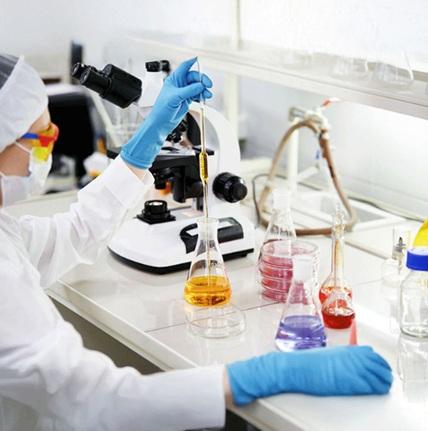
In microbiology, cell culture, pharmaceutical research, environmental monitoring, or biotechnology production
Filtration is a critical process that directly impacts the accuracy, reproducibility, and reliability of analytical and biological workflows, hence. selecting the right filtration solution helps ensure contamination control, protect valuable instruments, and improve overall laboratory efficiency.
From membrane filters and syringe filters to vacuum filtration systems and bioprocess filtration products, today's laboratories require a comprehensive range of filtration technologies to meet increasingly demanding applications.
* Why Filtration Matters in Life Science Laboratories
Laboratory samples often contain suspended particles, microorganisms, proteins, or other contaminants that can interfere with downstream analysis and biological processes. Effective filtration helps:
👉 Remove particulate contaminants
👉 Protect analytical instruments from clogging
👉 Prevent microbial contamination
👉 Improve sample clarity and consistency
👉 Support regulatory compliance
👉 Enhance experimental reproducibility
For pharmaceutical, food, environmental, and biotechnology laboratories, filtration has become an essential component of quality assurance and process control.
* Common Filtration Solutions for Life Science Applications
| 1. Membrane Filters for Microbiological Testing | 2. Vacuum Filtration Systems | 3. Analytical Funnels & Monitors | 4. Syringe Filters | 5. Bioprocess Filtration |
| Widely used in microbial enumeration and contamination monitoring | One of the most widely used techniques for rapid liquid filtration | For sterile filtration of large-volume aqueous solutions commonly used in cell culture laboratories | Remove particles before samples enter sensitive analytical instruments | Single-use filtration technologies |
| Common membrane materials include: MCE, PES, PVDF, PTFE, NYLON, CA | Faster filtration rates Higher throughput Reduced processing time Improved laboratory productivity | Ready-to-use design Reduced contamination risk High flow rates Easy handling and disposal Time-saving workflow | Protection of analytical columns Improved instrument performance Reduced downtime Enhanced analytical accuracy | Reduced cleaning validation Lower contamination risk Faster process turnaround Increased manufacturing flexibility |
| Drinking water testing Pharmaceutical water monitoring Food and beverage microbiology Environmental monitoring Sterility testing | Culture media sterilization Microbial recovery Sample clarification General laboratory filtration Analytical sample preparation | Cell culture media Serum filtration Buffer preparation Reagent sterilization Protein solutions | HPLC UHPLC LC-MS ICP-MS Environmental analysis Pharmaceutical testing | Cell harvesting Fermentation clarification Protein purification Sterile filtration Buffer preparation Final product filtration |
| Pre-sterilized and individually package further reduce contamination risks | Clean and reliable operation without the risk of oil contamination | To maximize protein recovery while maintaining sterility | Optimized filtration efficiency and sample recovery | Supporting scalable workflows from laboratory research to commercial production |
* Choosing the Right Membrane Material
Selecting the proper membrane is critical for achieving optimal filtration performance.
| MCE | PES | PVDF | PTFE | NYLON | CA |
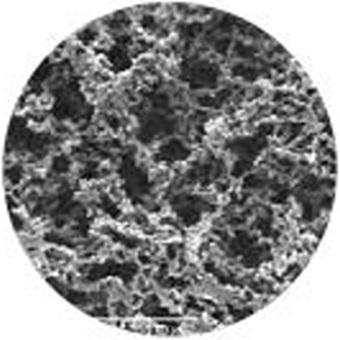 | 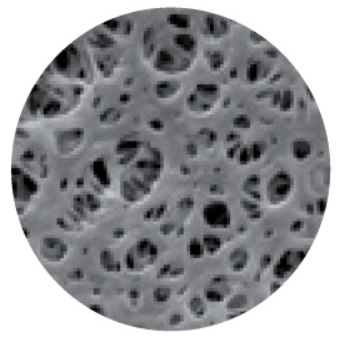 | 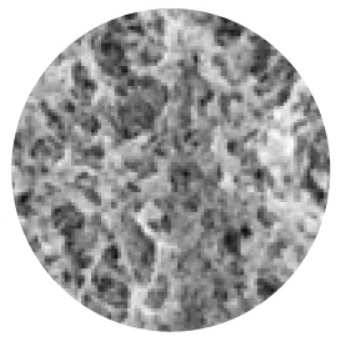 | 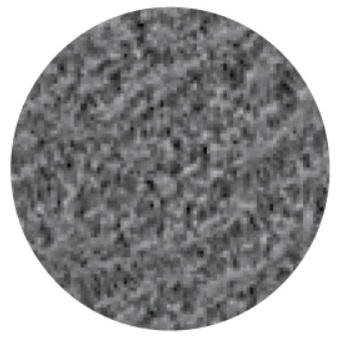 | 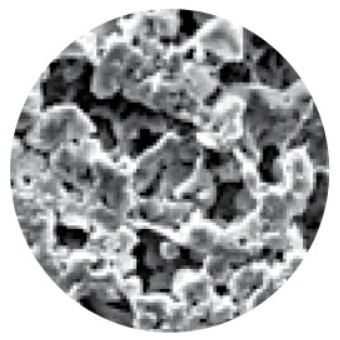 | 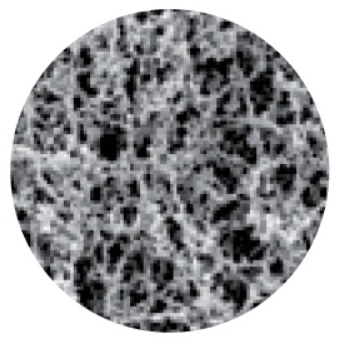 |
| Nitrocellulose | Polyethersulfone | Polyvinylidene Fluoride | Polytetrafluoroethylene | Nylon 66 | Cellulose Acetate |
| Excellent microbial recovery | High flow rate, low protein binding | Very low protein adsorption | Excellent chemical resistance | Broad chemical compatibility | High flow rate, low adsorption |
| Microbiology testing | Cell culture media, buffers | Protein and biological samples | Organic solvents, HPLC | General laboratory filtration | Cell culture applications |
Sample composition
Required sterility level
Filtration volume
Protein recovery requirements
Chemical compatibility
Regulatory requirements
The right membrane choice can significantly improve both analytical performance and process reliability.
* Filtration is a cornerstone of modern life science laboratories
👉 From microbiological testing and cell culture to analytical sample preparation and biopharmaceutical manufacturing, reliable filtration solutions help ensure data integrity, process efficiency, and contamination control.
👉 By selecting the appropriate membrane materials, filtration devices, and vacuum filtration systems, laboratories can streamline workflows, protect valuable instruments, and achieve consistent, high-quality results.
Need more information about healthcare and life science?! You can find from here, or just Contact us!!