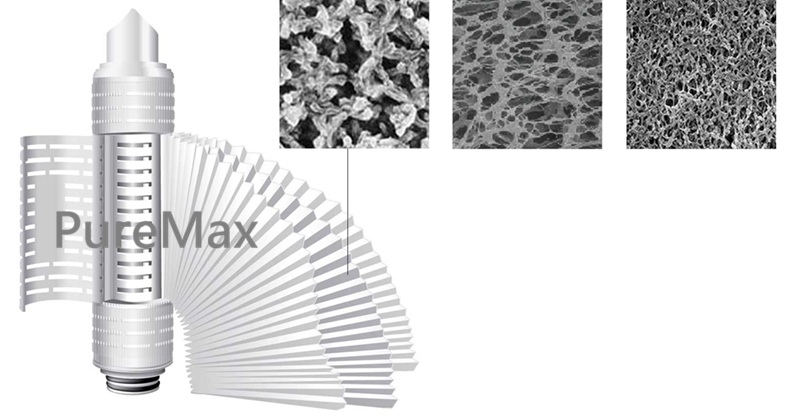
🔹Membrane Characteristics and Selection
Membrane filtration technology is widely used in modern industries including pharmaceuticals, biotechnology, food & beverage, electronics, chemicals, water treatment, and semiconductors. With advances in membrane manufacturing and mass production, membrane filtration has become more affordable and accessible while delivering higher filtration performance and reliability.
However, different applications require different membrane properties. Selecting the proper membrane material and structure is critical to achieving optimal filtration efficiency, product quality, and operational stability.
🔹Common Membrane Structure Types
| Type | Symmetric | Track-Etched | Asymmetric | Composite | Hollow Fiber |
| Photo | 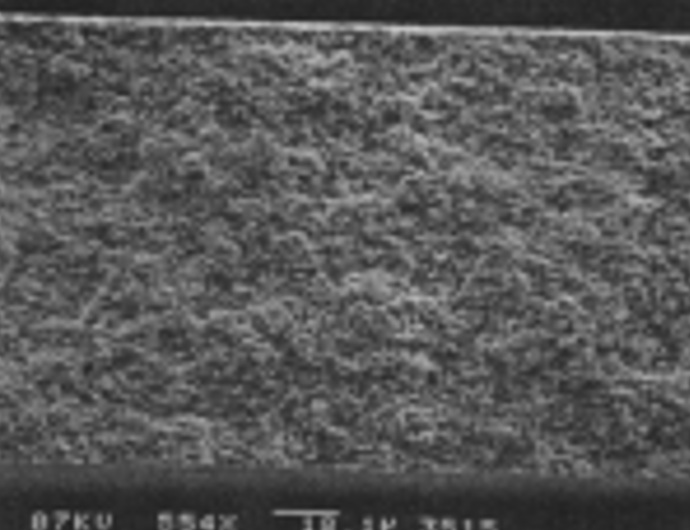 | 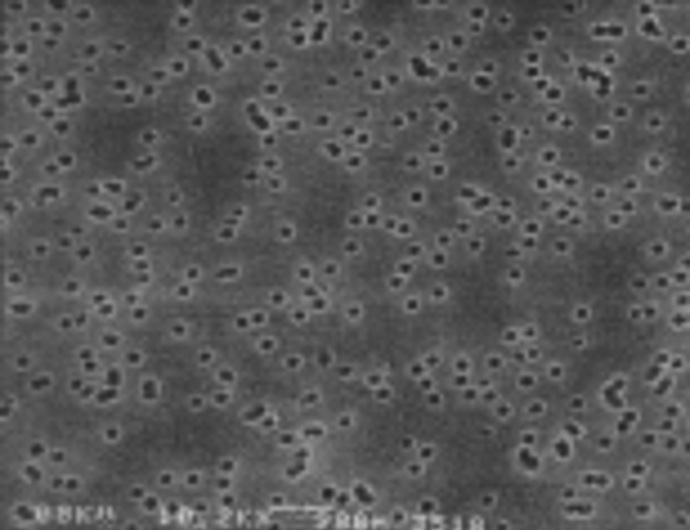 | 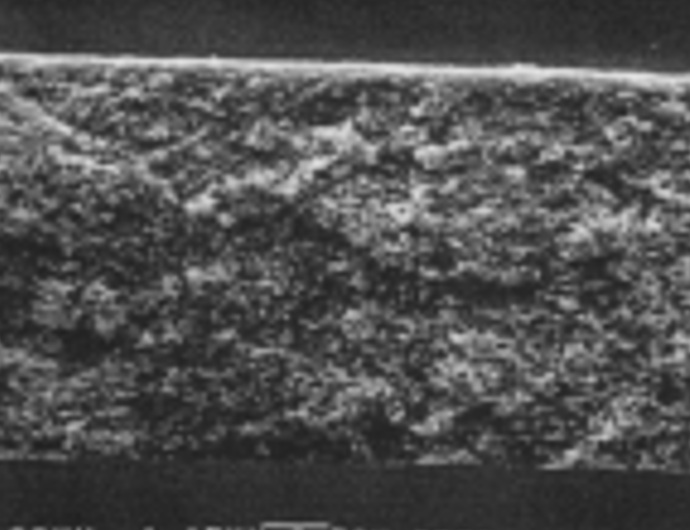 | 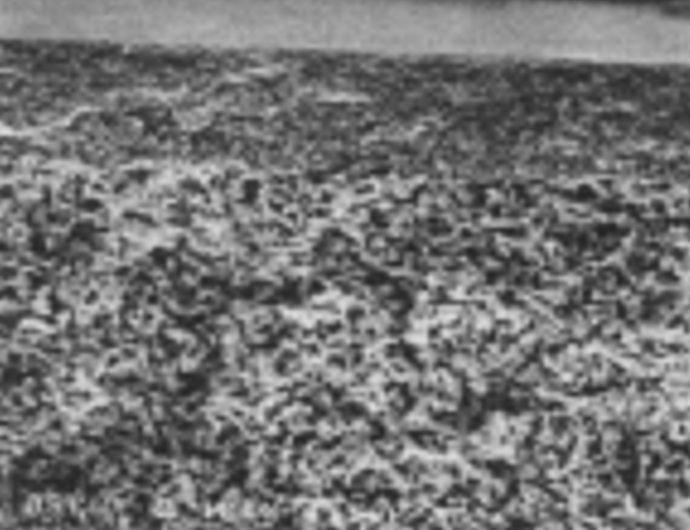 | 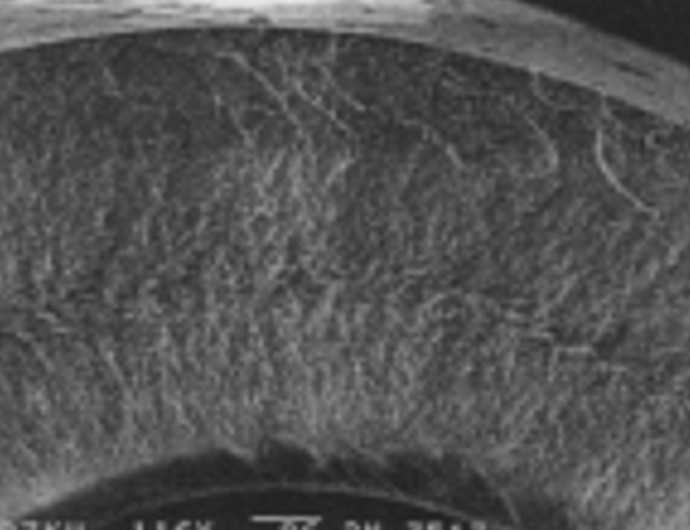 |
| Feature | Uniform pore size High mechanical strength | Uniformed pore size Precisely controlled pore geometry | Fine surface pores Larger support pores underneath | Multi-layer structure Separate selective and support layers | High packing density Compact system design |
👉 Membrane structure design affects flow rate, pressure drop, strength, and filtration efficiency.
🔹Membrane Performance Characteristics
Understanding membrane performance characteristics is essential for selecting the right filtration solution.
| 1. Retention efficiency | Indicates the membrane’s ability to retain particles, microorganisms, or contaminants. |
| 2. Permeability | Describes the ability of fluid to pass through the membrane. |
| 3. Dirt handling capacity | Represents the membrane’s ability to retain contaminants, directly affecting membrane life. |
| 4. Chemical resistance | Different chemicals may attack or degrade membrane materials. |
| 5. Surface energy or wetting behavior | Membranes are commonly classified as hydrophilic or hydrophobic membranes. |
| 6. Temperature limits | High-temperature operation or steam sterilization makes thermal resistance an important factor. |
| 7. Mechanical strength | Membranes must withstand pressure differentials and continuous operation without structural failure. |
| 8. Cleanliness | Especially in semiconductor and biotechnology industries where contamination control is essential. |
| 9. Adsorption characteristics | Certain membranes may adsorb proteins or active ingredients, potentially causing product loss. |
🔹Membrane Filtration Selection Criteria
Proper membrane selection requires evaluation of several operating conditions.
| Fluid properties | Pressure characteristics | Sterilization and Sanitization | Hardware Compatibility | Temperature | Configuration |
| Viscosity Chemical composition Particle concentration | Different membrane structures are designed for different operating pressure ranges. | Steam sterilization CIP (Clean-In-Place) SIP (Steam-In-Place) | Housing material Seal compatibility Piping configuration | Process temp. Cleaning temp. | Cartridge type Adaptor type |
<Ex.> Membrane material selections in the Pharmaceuticals
Pharmaceutical and biotechnology applications require especially stringent membrane standards.
| • Chemical compatibility | The membrane material must not react with pharmaceutical products. |
| • Wetting characteristics |
Hydrophilic membranes for aqueous solutions, hydrophobic membranes for gases and organic solvents
|
| • Thermal resistance | Able to withstand steam or autoclaving temperatures. |
| • Inertness | The membrane must not interact with parenteral products or preservatives.
|
| • Shedding | No particle generation during operation especially intermittent flow conditions. |
| • Toxicity | Must pass USP Class VI toxicity testing. |
| • Extractables | Demonstrate low extractables in the solvent, preflushing may be desirable. |
🔹Revealing the Pore Characteristics of Membranes
Membrane pore structure directly influences filtration performance and separation efficiency.
| Method | 1️⃣ Capillary Flow Porometry | 2️⃣ Mercury Porosimetry | 3️⃣ Gas Adsorption (BET) |
| Feature | Only the active or flow-through pore are detected. (wet) | The total pore volume, surface area & pore size based on volume can be measured. (35 A-500 um) (dry)surface tension of Hg = 480 dynes/cm | Only pores in the sub-micro range are detected. |
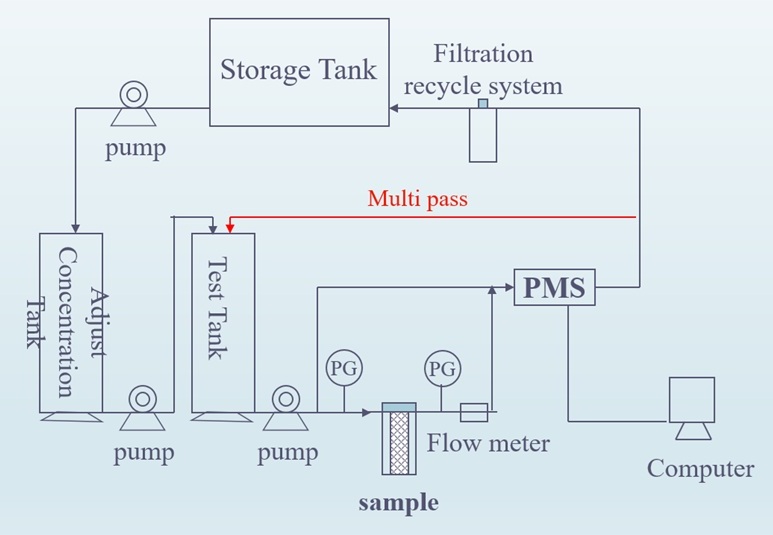
🔹NSF Methodology of Performance Test (ANSI/NSF42-1996)
🔹Conclusion
👉 Membrane filtration technology is an essential component of modern precision manufacturing and purification processes.
👉 High-performance membranes are becoming increasingly important in semiconductor, biotechnology, and advanced chemical industries.
Choosing the proper Membrane Cartridges and configuration is the key to maximizing filtration performance, Contact us now!!